
The wine industry has experienced a remarkable transformation over the past decade, with e-commerce becoming one of its fastest-growing sales channels. Consumers are no longer limited to purchasing wine from local stores or wineries. Today, they can browse thousands of labels, compare prices, read expert reviews, and have their favorite bottles delivered directly to their doorstep. This digital shift has changed how wineries, retailers, and distributors connect with customers, creating new opportunities for businesses of all sizes.
The Rise of Online Wine Shopping
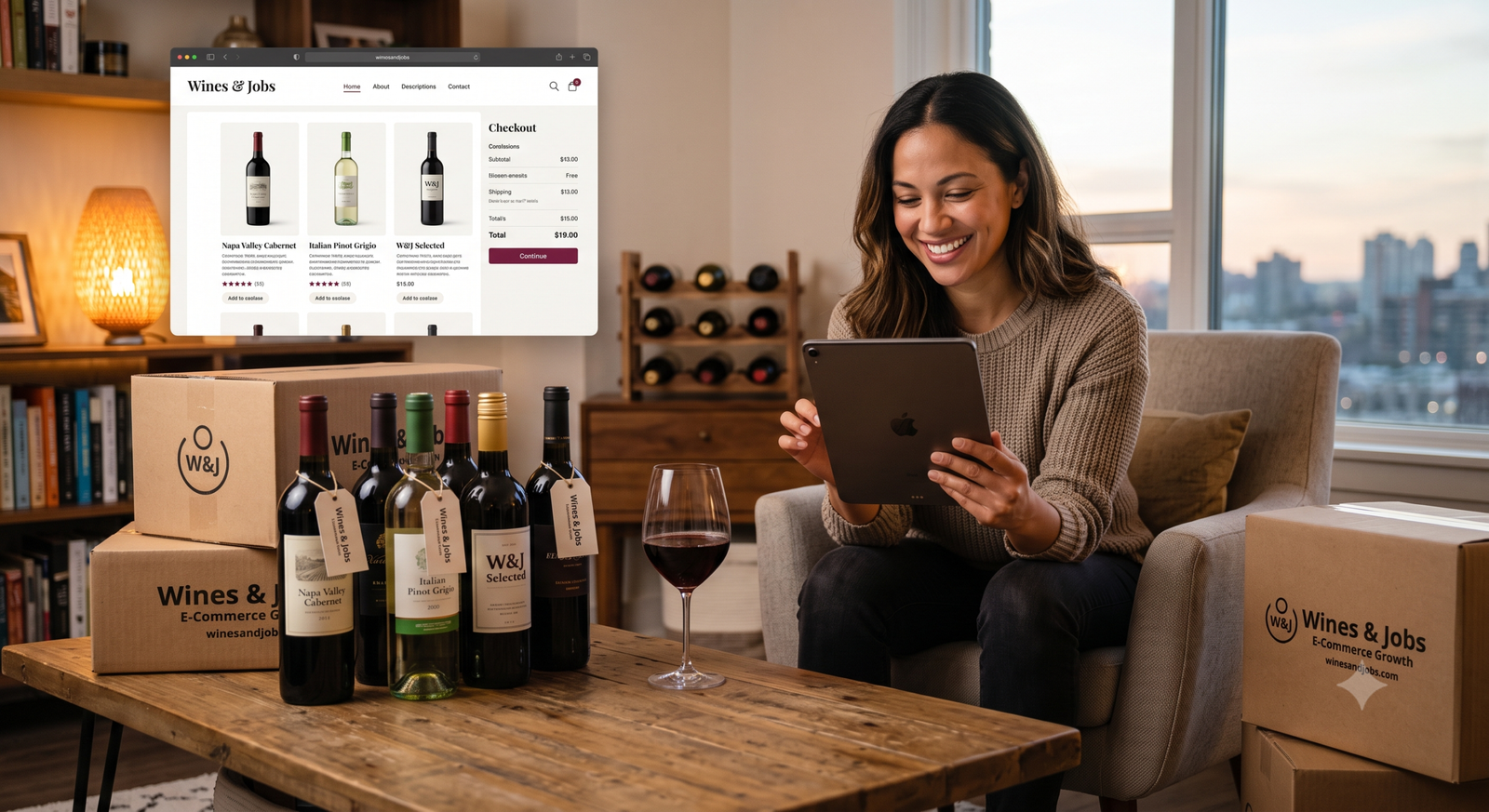
The increasing popularity of online shopping has significantly influenced consumer behavior across nearly every industry, and wine is no exception. Modern consumers value convenience, variety, and access to information before making a purchase. Online wine stores provide detailed product descriptions, tasting notes, food pairing suggestions, customer reviews, and recommendations based on previous purchases, making the buying process more informative and enjoyable.
Mobile commerce has also contributed to this growth. Many customers now purchase wine through smartphones and tablets, allowing them to order bottles anytime and from anywhere. This accessibility has encouraged more frequent purchases and expanded the customer base beyond traditional wine enthusiasts.
Why Consumers Prefer Buying Wine Online
Several factors have driven the rapid growth of wine e-commerce:
- Greater Selection: Online retailers can offer a much wider range of wines than physical stores, including rare vintages, international labels, and boutique winery selections.
- Convenience: Customers can shop 24/7 without leaving home and have wines delivered directly to their preferred location.
- Competitive Pricing: Online platforms often provide exclusive discounts, seasonal promotions, and subscription savings.
- Expert Information: Product pages include tasting notes, grape varieties, winery backgrounds, vintage details, and food pairing recommendations that help customers make informed decisions.
- Personalized Recommendations: Artificial intelligence and customer data enable retailers to recommend wines that match individual preferences.
How Wineries Are Embracing Digital Commerce
Many wineries are investing in direct-to-consumer (DTC) sales through their own websites. Instead of relying solely on distributors or retail partners, wineries can build stronger relationships with customers by offering exclusive releases, wine clubs, virtual tastings, and personalized experiences.
Social media marketing, email campaigns, and digital advertising have become essential tools for attracting new customers and maintaining loyalty among existing buyers. By combining storytelling with high-quality visuals and educational content, wineries can create memorable online experiences that encourage repeat purchases.
The Role of Technology
Technology continues to shape the future of wine e-commerce. Artificial intelligence helps customers discover wines based on flavor preferences and previous purchases. Machine learning improves inventory management and demand forecasting, while data analytics enables businesses to understand customer behavior and optimize marketing strategies.
Augmented reality (AR) labels, QR codes, virtual vineyard tours, and live online tasting events are also enhancing customer engagement. These innovations allow wine lovers to learn more about each bottle before making a purchase and create stronger connections with producers.
Challenges Facing Online Wine Sales
Despite its growth, wine e-commerce presents several challenges. Age verification requirements, shipping regulations, varying alcohol laws across regions, and logistics can make online wine sales more complex than selling other consumer products. Maintaining proper storage conditions during transportation is also essential to preserve wine quality.
Businesses must additionally address cybersecurity, customer privacy, and reliable payment systems to build trust with online shoppers.
Opportunities for Wine Businesses
The future of online wine retail offers exciting opportunities for wineries, retailers, distributors, and entrepreneurs. Businesses that invest in user-friendly websites, secure payment systems, excellent customer service, and engaging digital marketing strategies are well positioned to compete in an increasingly digital marketplace.
Subscription services, personalized wine clubs, educational content, and virtual events can help brands differentiate themselves while fostering long-term customer relationships. Expanding into international markets through e-commerce also enables producers to reach audiences that were previously difficult to access.
Career Opportunities in Wine E-commerce
The growth of digital wine sales has created demand for professionals with skills beyond traditional winemaking. Companies are hiring e-commerce managers, digital marketing specialists, SEO experts, content writers, customer experience managers, logistics coordinators, data analysts, and social media managers to support their online operations.
As technology continues to reshape the wine industry, professionals with expertise in both wine and digital commerce will be increasingly valuable.
Conclusion
E-commerce has become a driving force behind the evolution of the wine industry. By making wine more accessible, informative, and convenient to purchase, online sales channels are helping businesses reach new customers and strengthen existing relationships. Although challenges remain, advances in tecnology, personalized shopping experiences, and direct-to-consumer strategies are creating a promising future for wineries and retailers alike.
For wine professionals and businesses, embracing digital transformation is no longer optional—it is an essential step toward sustainable growth. Those who invest in innovation, customer experience, and online engagement will be better equipped to thrive in the rapidly evolving world of wine commerce.
Cheers !!!