
In 2026, a winery’s “terroir” is no longer just about the soil and the slope; it’s about the footprint of the building itself. As the wine industry moves toward a circular economy, the architecture of the tasting room is undergoing a radical transformation.
For the modern wine professional, understanding these structural shifts is as important as knowing the grape. Here is why the “Green Blueprint” is the future of hospitality.
1. Thermal Mass and “Cave” Logic
The most sustainable way to cool wine is the oldest way: going underground. Modern tasting rooms are moving away from glass-heavy, air-conditioned boxes and toward earth-sheltered designs. By using the natural thermal mass of the earth, wineries can maintain a consistent 13–15°C (55–60°F) for both storage and guest comfort with almost zero energy pull.
2. The Solar Skin
We’ve discussed how wineries are moving to solar, but the latest trend isn’t just panels on a roof—it’s Building-Integrated Photovoltaics (BIPV). In this model, the solar cells are the windows and the roof tiles themselves. This “solar skin” allows a tasting room to generate its own power while maintaining a sleek, high-design aesthetic that appeals to the modern eco-conscious traveler.
3. Gravity-Flow Production
A circular winery isn’t just about recycling; it’s about using natural forces to replace mechanical ones. Gravity-flow wineries are designed on multiple levels. The grapes are received at the top, fermented in the middle, and aged at the bottom.
- The Benefit: This eliminates the need for electric pumps, which can be “bruising” to the wine and heavy on energy consumption. It’s a win for both the vintage and the planet.
4. Reclaiming the Waste Stream
Circular architecture also means rethinking what we do with byproducts. We are seeing a rise in “bio-materials” used in winery construction:
- Cork Insulation: Using natural cork harvested from sustainable forests.
- Grape Pomace Bricks: Experimental construction materials made from the skins and seeds left over after pressing.
The New Frontier for Wine Careers
As these “Green Blueprints” become the norm, the job market is shifting. We are seeing a new demand on Wines and Jobs for:
- Sustainability Directors: Professionals who can manage a winery’s carbon credits and energy output.
- Eco-Hospitality Managers: Staff who can educate guests on the circular story behind the glass they are holding.
The future of wine isn’t just in the bottle; it’s in the walls.
Grow Your Career with the Industry Leaders:
- Search Sustainable Wine Jobs: Find estates that are leading the circular revolution.
- The Wines and Jobs Industry Blog: Stay ahead of the latest technical and architectural trends.
- Hire the Next Generation: Post your opening to a community of forward-thinking wine professionals.
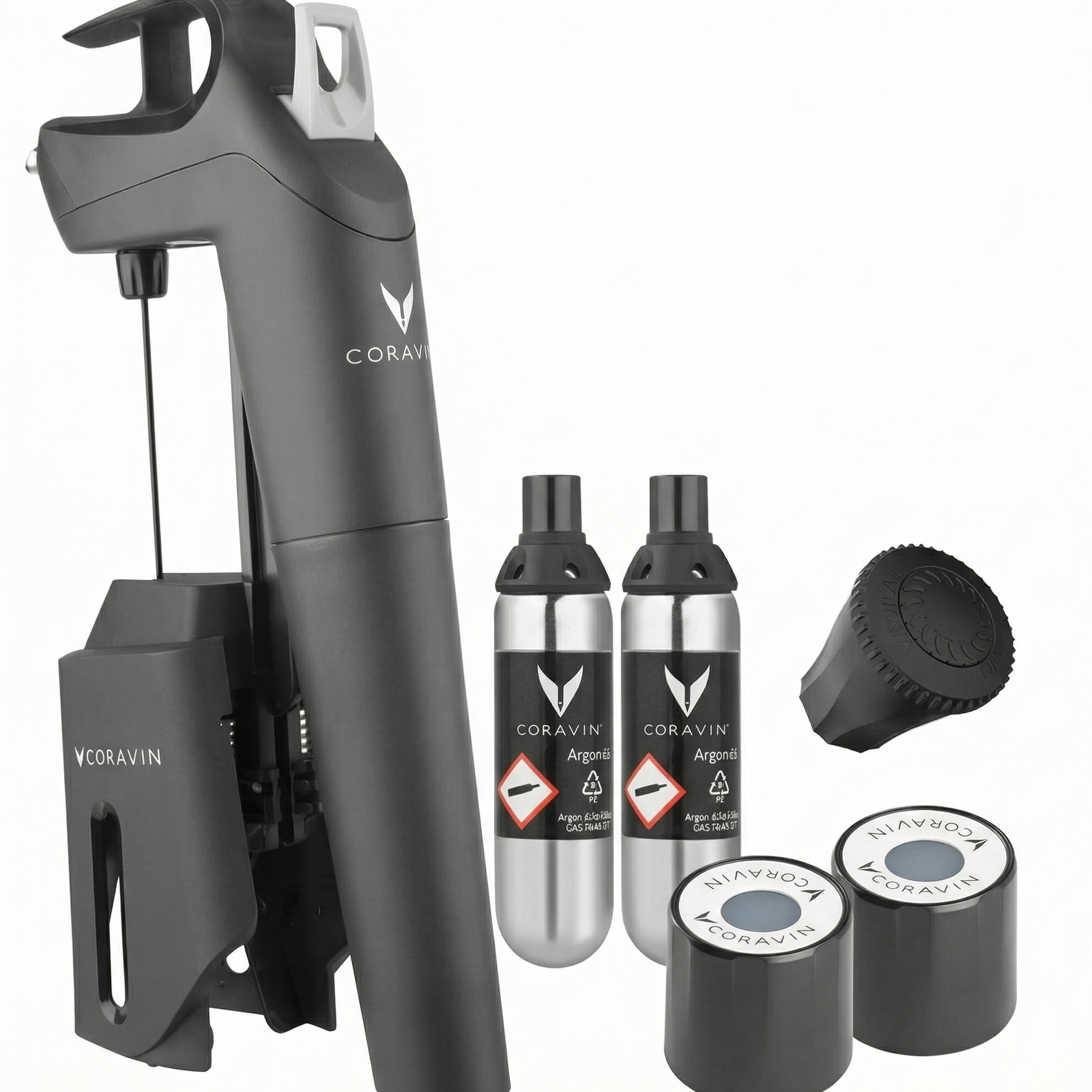
Ready to stop pulling corks? Get the Coravin Timeless Three Plus on Amazon.
Cheers !!!
2 Comments
I consider something genuinely special in this site.
I haven’t checked in here for a while as I thought it was getting boring, but the last few posts are great quality so I guess I’ll add you back to my daily bloglist. You deserve it my friend 🙂