


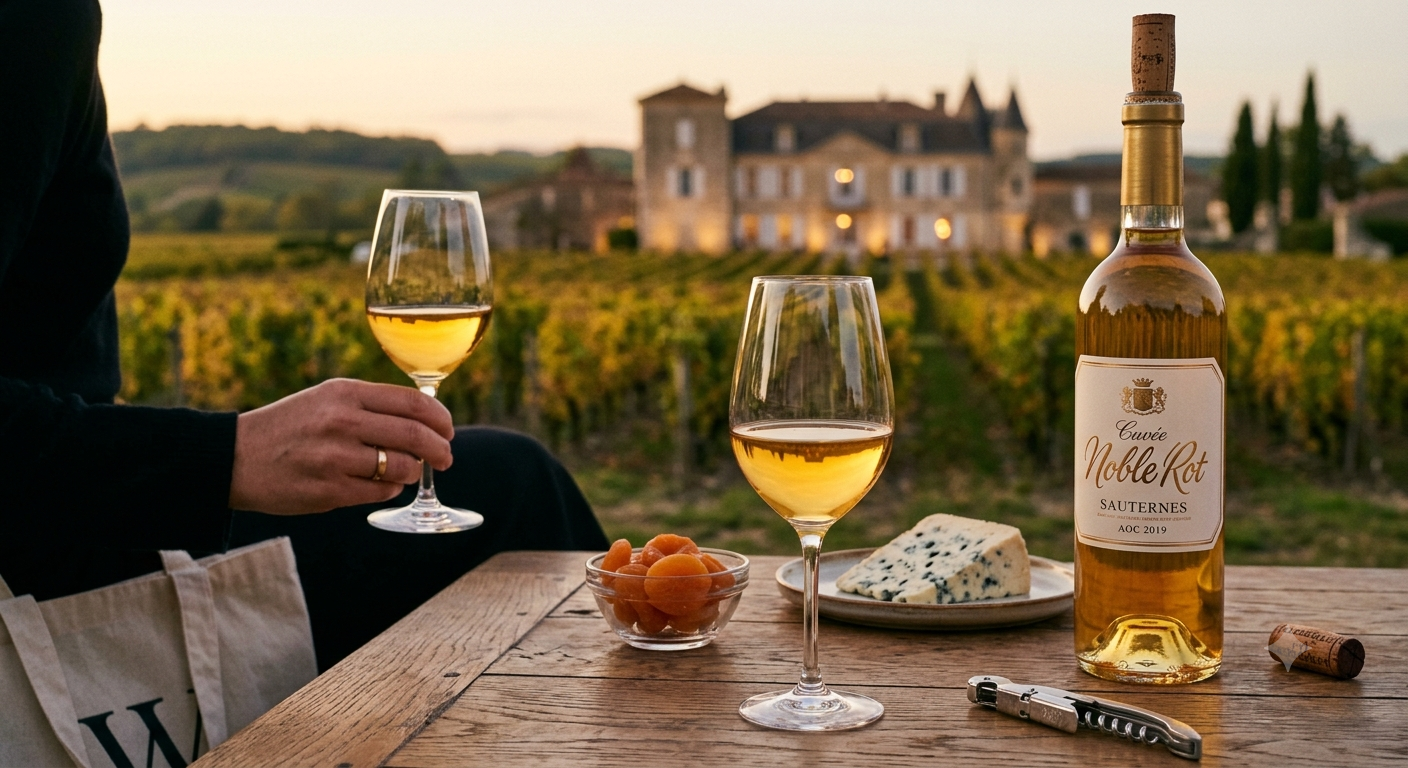
While dry wines often get the spotlight at dinner, sweet and dessert wines hold a legendary place in winemaking history. Far from being just “sugary,” high-quality dessert wines offer a balance of rich sweetness and bright acidity, delivering complex flavors of honey, stone fruits, roasted nuts, and warm spices.
Whether you’re looking to pair a bottle with a cheese board or dive deeper into world-class bottles, here is your breakdown of the best grapes and regions for sweet wines, along with career opportunities via Wines and Jobs.
🍇 The Best Grapes for Sweet Wines
The best sweet wines require high natural acidity to keep the wine vibrant rather than overly cloying. Some grape varieties excel at producing stunning dessert styles:
1. Riesling
- Style: Ranges from off-dry to intensely sweet Late Harvests and Ice Wines (Eiswein).
- Flavor Profile: Green apple, white peach, honeycomb, jasmine, and citrus zest backed by razor-sharp acidity.
2. Sémillon & Sauvignon Blanc
- Style: The classic blend used for noble rot (Botrytis) wines.
- Flavor Profile: Apricot jam, candied orange peel, honeyed citrus, and butterscotch.
3. Muscat / Moscato
- Style: Lightly sparkling (frizzante), fortified, or late-harvest styles.
- Flavor Profile: Orange blossom, ripe peach, honeydew melon, and grapey fruit notes.
4. Furmint
- Style: The primary grape behind Hungary’s legendary Tokaji Aszú.
- Flavor Profile: Dried apricots, ginger, marmalade, caramel, and bright minerality.
5. Pedro Ximénez (PX) & Touriga Nacional
- Style: Used for rich, dark, fortified sweet wines like Pedro Ximénez Sherry and Port.
- Flavor Profile: Fig, raisin, dark chocolate, espresso, and molasses.
🌍 Where Are the Best Sweet Wines Produced?
The magic of sweet wine production often relies on microclimates—misty river valleys that cause beneficial rot, or sub-zero winters that freeze grapes on the vine.
1. Sauternes (Bordeaux, France)
- Famous Style: Sauternes
- How It’s Made: Morning river fog from the Garonne creates “Noble Rot” (Botrytis cinerea), a beneficial fungus that dehydrates grapes and concentrates their sugars.
2. Tokaj (Hungary)
- Famous Style: Tokaji Aszú
- How It’s Made: Recognized as one of the world’s oldest classified wine regions, winemakers hand-pick botrytized Furmint berries to produce intensely sweet, age-worthy nectars.
3. Mosel & Rheingau (Germany)
- Famous Style: Beerenauslese (BA), Trockenbeerenauslese (TBA), and Eiswein
- How It’s Made: Late-harvest grapes are selected berry-by-berry or left to freeze on the vine for Ice Wine, yielding low-alcohol wines with electric acidity.
4. Ontario (Canada)
- Famous Style: Ice Wine (Icewine)
- How It’s Made: Canada is the world’s largest producer of Ice Wine. Vidal Blanc and Riesling grapes freeze solid naturally outdoors before being harvested and pressed in sub-zero temperatures.
5. Douro Valley (Portugal) & Jerez (Spain)
- Famous Style: Port and Sweet Sherry
- How It’s Made: Fortification—adding grape spirits during fermentation to preserve natural fruit sugars, creating bold, warming dessert wines.
💼 Turn Your Passion into a Career with Wines and Jobs
Crafting, marketing, and selling dessert wines requires specialized expertise—from cold-weather vineyard management for Ice Wine to luxury brand management for historic estates.
If you’re looking to turn your enthusiasm for wine into a rewarding professional path, check out Wines and Jobs. Whether you are looking for roles in sommelier services, estate management, digital marketing, or vineyard operations, Wines and Jobs connects global talent with leading employers across the wine industry.