


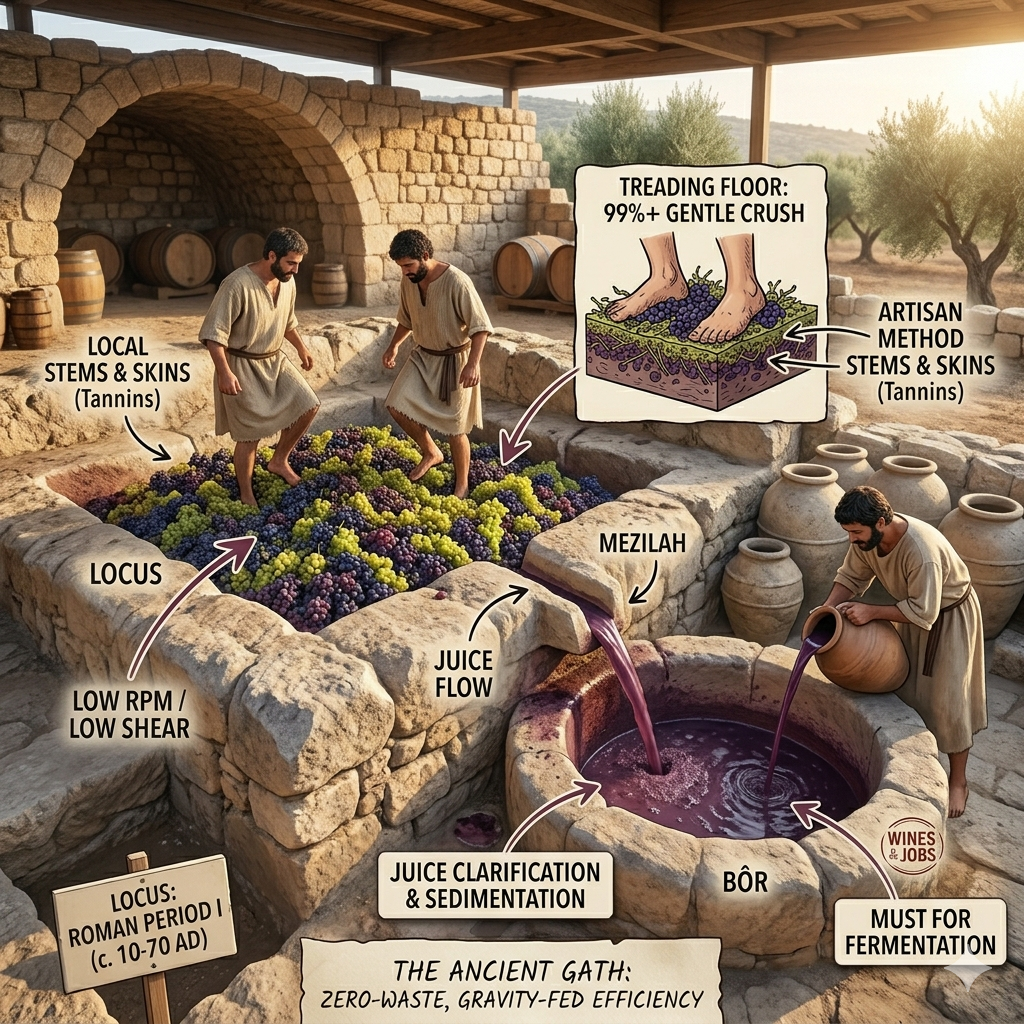
In the world of wine, we often talk about terroir—the soil, the climate, and the soul of a place. But for billions around the world, wine carries a significance that transcends the vineyard. The connection between wine and Jesus is one of the oldest “brand stories” in human history, weaving together cultural necessity, miraculous transformation, and deep spiritual symbolism.
As we explore this connection for Wines and Jobs, we see how the ancient wine industry of Galilee wasn’t just a trade; it was the backdrop for a message that changed the world.
1. The Cultural Reality: Wine as Life
In first-century Judea, wine wasn’t a luxury; it was a staple. In an era where clean water was often a gamble, the natural fermentation of wine served as a safe, antimicrobial source of hydration.
- The Industry: Jesus grew up in a landscape dotted with thousands of stone winepresses. Winemaking was the primary industry of Galilee, influencing everything from the parables he told (like the Vine and the Branches) to the social gatherings he attended.
- The Style: Ancient wine was significantly different from our modern “big reds.” It was typically diluted with water (often a $3:1$ ratio) and was consumed young, within a year or two of harvest.
2. The First “Sign”: Turning Scarcity into Abundance
The most famous wine story in history is the Wedding at Cana. When the hosts ran out of wine—a massive social disgrace in that culture—Jesus performed his first public miracle.
- Quality Matters: The “Master of the Feast” noted that this miraculous wine wasn’t just adequate; it was the “best” wine, saved for last.
- The Symbolism: By turning water used for ceremonial washing into wine, Jesus signaled a transition from old rituals to a new era of joy and abundance. He essentially “upcycled” 120 gallons of water into premium wine in a single moment.
3. The Ultimate Symbol: The New Covenant
The most profound connection occurs during the Last Supper. Here, wine moves from a daily beverage to a sacred symbol of sacrifice.
- The Blood of the Grape: Jesus took the cup and identified it as “the blood of the new covenant.” This forever linked the red juice of the vine with his own life, a metaphor still honored today in the ritual of Communion or the Eucharist.
- The True Vine: In John 15, Jesus uses the most technical viticultural metaphor of his ministry: “I am the true vine, and my Father is the gardener.” He describes the necessity of “pruning” (trials) for the sake of “fruitfulness” (growth), a concept every modern vineyard manager understands perfectly.
4. Wine at the End: The Dregs and the Hope
Even on the cross, wine appears. Jesus was offered two types of wine:
- Wine with Myrrh: A narcotic used to dull pain, which he refused, choosing to remain fully conscious.
- Sour Wine (Vinegar): The common drink of Roman soldiers, which he accepted to fulfill scripture.
Finally, the New Testament ends with the imagery of the “Marriage Supper of the Lamb,” a great future feast where wine represents the ultimate celebration of restoration and peace.
🍷 Published on Wines and Jobs
Connecting the global wine community through insight, expertise, and opportunity.
The legacy of wine and Jesus reminds us that our industry is rooted in more than just commerce. It is rooted in community, celebration, and the timeless human experience of sharing a cup. Whether you are tending the vines or serving the glass, you are part of a tradition that stretches back thousands of years.
- Explore More History: Join our community at www.winesandjobs.com for more deep dives into the cultural roots of wine.
Cheers !!!